Scarlet Whaleys: A Signature Brush Script Font for Modern Web Design
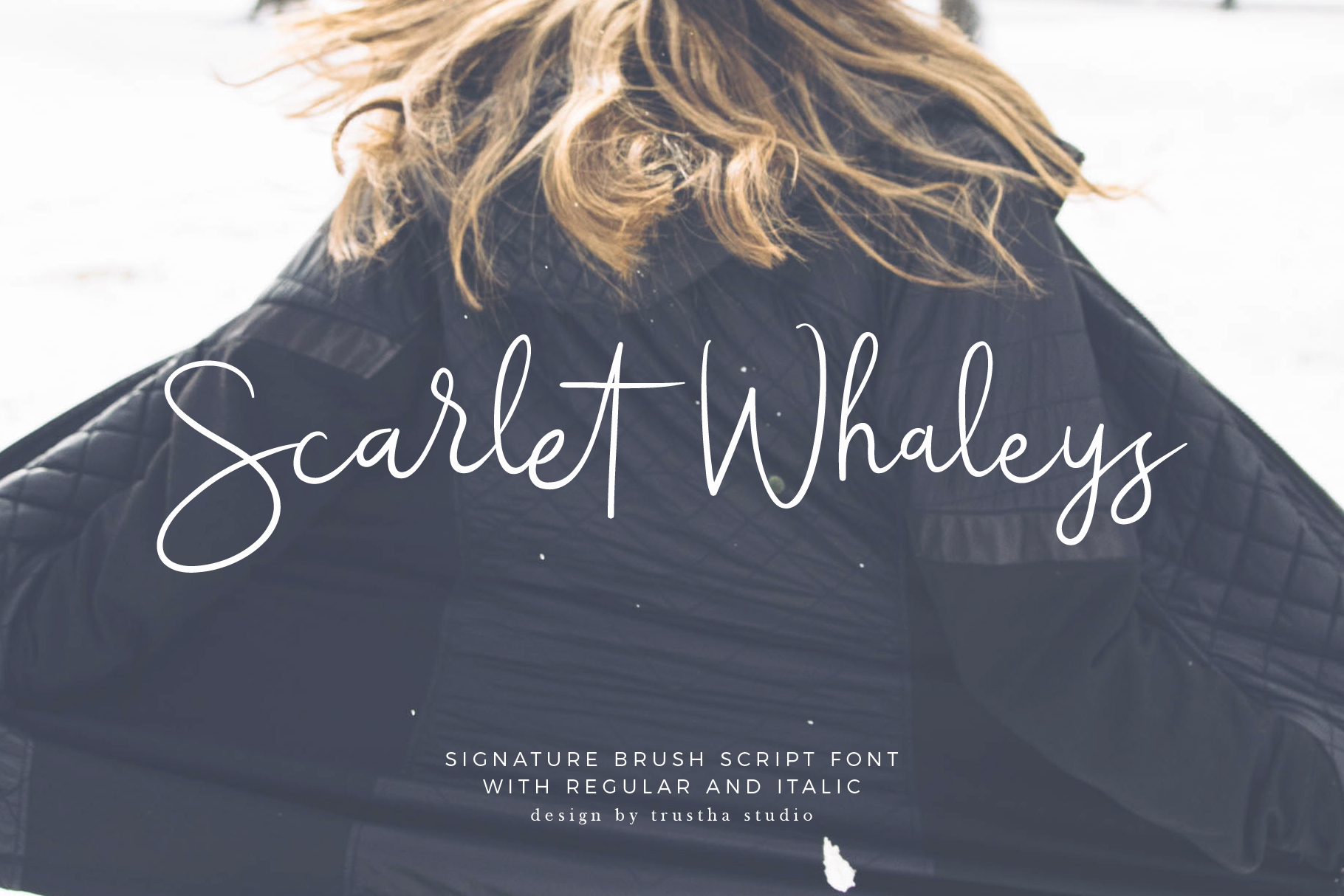
I was staring at a blank hero section on a boutique coaching website project, trying to bridge the gap between professional credibility and creative warmth. The client wanted something that felt personal yet authoritative, a visual tone that would stand out against the sea of sterile sans-serifs dominating the industry. That was when I pulled Scarlet Whaleys into my design software. It wasn’t just another decorative typeface; it was a solution. As a stunning signature brush script font, Scarlet Whaleys brought an immediate sense of handcrafted elegance to the digital layout, proving that high-end typography can still feel approachable in a web environment.
Why Scarlet Whaleys Elevates Digital Brand Identity
When you are building a brand identity online, every pixel contributes to the user’s perception of trust and quality. Scarlet Whaleys is a practical and beautiful calligraphy font for use in displays and headlines, which makes it an ideal choice for designers who need to make a strong first impression without sacrificing legibility. Unlike overly ornate scripts that struggle on mobile screens, this typeface maintains a clean structure while offering the organic flow of a handwritten font. For web designers and UI creators, finding a balance between artistic flair and functional readability is often the hardest part of the job. This script font delivers that balance perfectly, allowing your logo design or main headline to pop while remaining accessible to all users.
The visual personality of Scarlet Whaleys leans towards modern elegance. It doesn’t scream for attention with chaotic flourishes; instead, it whispers sophistication through its fluid strokes and consistent weight. This subtlety is crucial for digital product creators who are assembling a comprehensive brand kit. Whether you are designing a landing page for a SaaS product or a portfolio site for a photographer, the font adds a layer of premium polish. It signals that the brand behind the screen pays attention to detail, which is a key driver in converting casual visitors into engaged customers. By integrating this Script Handwritten style into your headers, you immediately differentiate your content from competitors who rely solely on standard system fonts.
Optimizing Scarlet Whaleys for Hero Sections and Landing Pages
In my recent project, I tested Scarlet Whaleys extensively in the hero section of a product landing page. The goal was to capture interest within the first three seconds of load time. Because Scarlet Whaleys is a practical and beautiful calligraphy font for use in displays and headlines, it performed exceptionally well as a primary display element. However, placement is everything. I found that using the font for short, impactful phrases—such as the main value proposition—worked best. Trying to stretch it across long sentences resulted in a cluttered look that hindered scanning behavior.
For responsive web design, I adjusted the font size dynamically. On desktop, the full character of the brush script shines, but on mobile devices, I ensured the text remained large enough to be read without zooming. This is where understanding the specific characteristics of Fonts like Scarlet Whaleys becomes vital. Its x-height and letter spacing are designed to hold up under scrutiny. When paired with a high-contrast background, such as a dark overlay on a lifestyle image, the white or light-colored text created a striking focal point. This technique not only improved the aesthetic appeal but also guided the user’s eye directly to the call-to-action button below, streamlining the user journey and enhancing overall engagement.
Using Scarlet Whaleys for Blog Headers and Social Media Graphics
Beyond the homepage, I integrated Scarlet Whaleys into the header graphics for a series of blog posts and social media campaign assets. Consistency is key in maintaining a cohesive brand voice across platforms. Using the same distinctive script for both the website and social channels reinforces brand recognition. The font’s versatility allows it to work well in square formats for Instagram or horizontal banners for Facebook ads. It adds a human touch to digital ads, making them feel less like corporate announcements and more like personal recommendations. This emotional connection is powerful in marketing, as it encourages users to stop scrolling and engage with the content. By treating Scarlet Whaleys as a core design asset rather than a one-off decoration, I helped the client build a unified visual language that felt authentic and trustworthy.
Readability and Accessibility Considerations for Script Fonts
One common misconception among junior designers is that decorative fonts should be used for body copy. They shouldn’t. Scarlet Whaleys is a stunning signature brush script font, which means its primary strength lies in its display capabilities. Using it for paragraphs would create cognitive friction, causing readers to abandon the page due to fatigue. Instead, I reserved it for headings, pull quotes, and short emphasis text. For the body copy, I paired it with a clean, neutral sans serif font. This combination leverages the strengths of both typefaces: the script provides character and mood, while the sans serif ensures clarity and ease of reading.
This pairing strategy is essential for accessibility and user experience (UX). Screen readers handle standard fonts better, and sighted users scan content faster when there is a clear visual hierarchy. By keeping Scarlet Whaleys strictly to the top level of information architecture, we maintained a fast-loading visual experience that didn’t compromise on style. Additionally, when placing the text over images, I paid close attention to contrast ratios. The organic edges of the brush strokes can sometimes blend into complex backgrounds, so ensuring sufficient contrast was necessary to meet web accessibility standards. This attention to detail ensures that your elegant design is inclusive and usable by everyone.
Technical Specs and Licensing for Commercial Projects
Before implementing Scarlet Whaleys in any client project, I always review the technical specifications and licensing terms. Understanding the file formats included is critical for web development. Typically, these fonts come in OTF and TTF formats, which are perfect for local hosting or conversion to WOFF/WOFF2 for optimal web performance. Checking for multilingual support is also important if the brand targets international audiences, ensuring that special characters render correctly. Furthermore, verifying the commercial license allows for unrestricted use in websites, apps, and marketing materials, protecting both the designer and the client from legal issues.
For digital product creators selling templates or themes, having access to a versatile Script Handwritten font like Scarlet Whaleys adds significant value to the package. It allows end-users to customize their sites with a pre-vetted, high-quality typeface that requires no additional design skills to implement effectively. The font’s reliability across different browsers and devices makes it a safe bet for widespread distribution. By prioritizing fonts that offer robust technical support and clear usage rights, designers can focus more on creativity and less on troubleshooting compatibility issues.
Final Implementation Tips for Web Designers
To get the most out of Scarlet Whaleys, treat it as a partner in your design process rather than the sole star. Use it to accentuate key messages, highlight testimonials, or define section breaks. Avoid using it for navigation menus or small interface elements where space is limited. Instead, let it breathe in spacious layouts with ample white space around it. This breathing room enhances readability and emphasizes the font’s artistic qualities. When testing your final layout, view it on multiple devices to ensure the scale remains appropriate. The goal is to create a seamless experience where the typography supports the content, not competes with it. With Scarlet Whaleys, you have a tool that bridges the gap between traditional calligraphy and modern digital design, offering a refined aesthetic that resonates with contemporary audiences.